The Influence of Cultural Events on Wagering Patterns Among Participants in Finnish Online Platforms
Theo Powell · Sep 12, 2026
The Influence of Cultural Events on Wagering Patterns Among Participants in Finnish Online Platforms
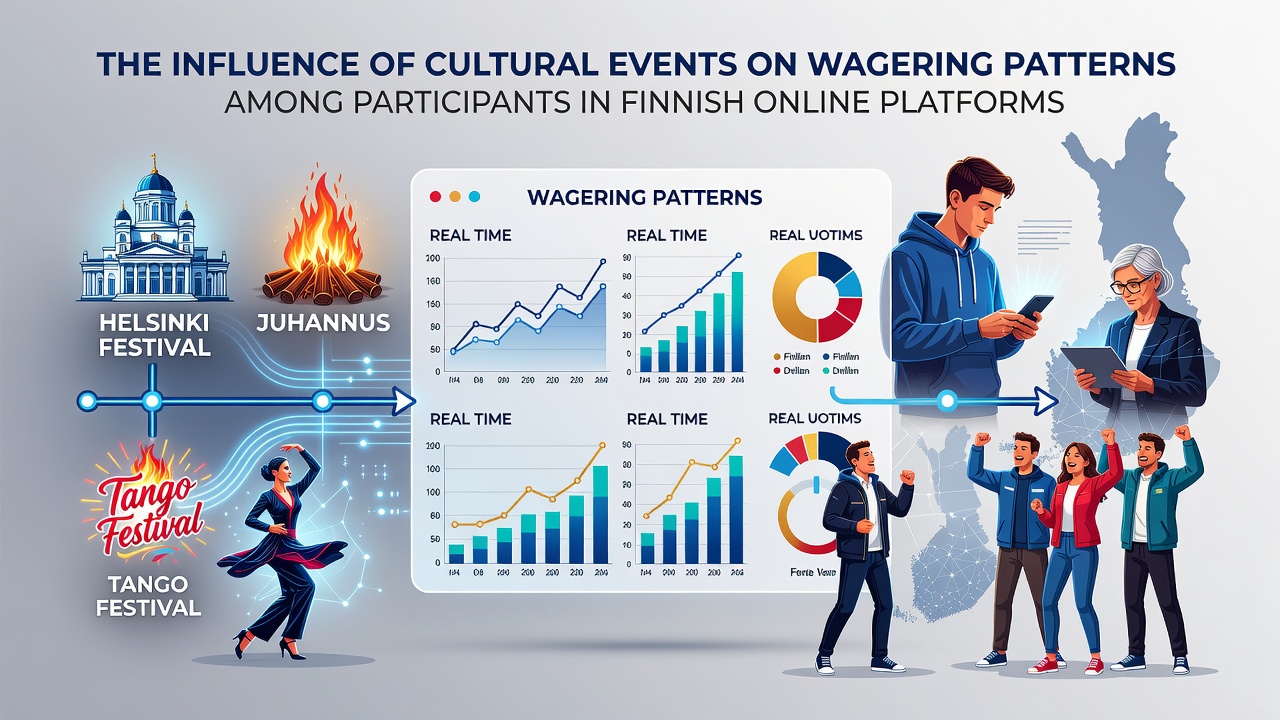
Researchers have documented clear shifts in wagering activity on Finnish online platforms when major cultural events occur, wth data from regulatory filings and platform analytics revealing consistent patterns tied to national traditions and seasonal gatherings. Finnish platforms experience measurable increases in participation during events such as Juhannus, the annual ice hockey championships, and winter holiday periods, where user logs show elevated session times and bet volumes that align with public celebrations rather than random fluctuations.
Seasonal Traditions and Platform Activity
Studies conducted by Nordic research institutions indicate that midsummer festivities, which fall in late June, correlate with higher engagement in sports betting markets focused on football and outdoor events, because participants often combine leisure time with mobile access while attending cottage gatherings or festivals. Platform operators report that traffic spikes occur in the evenings when traditional bonfires and communal activities wind down, leading users to check live odds or place smaller wagers on international matches that run concurrently.
Winter holidays produce a different profile, with Christmas and New Year periods driving activity toward casino-style games and lotteries instead of sports. Figures from Finnish health authorities show that disposable income patterns during these weeks, combined with extended time indoors, contribute to sustained login rates across December and early January, although overall stake sizes remain moderate compared with peak sports seasons.
Sports Culture and Event-Driven Betting
Ice hockey stands out as a primary driver because the national team’s participation in world championships or Olympic qualifiers generates concentrated interest on licensed platforms. Observers note that viewership numbers for these tournaments directly track with real-time betting volumes, especially during evening matches when Finnish audiences gather in homes or public venues equipped with screens. Data compiled through 2025 demonstrates that single-game bet counts rise sharply in the hours leading up to key fixtures, then taper once results finalize.
Other cultural markers, including Independence Day observances on December 6 and various music festivals scattered through the summer calendar, produce smaller yet detectable effects. Researchers tracking user behavior across multiple platforms have found that these occasions encourage social sharing of betting tips within private groups, which in turn sustains activity for several days afterward.
Data Patterns Across Platforms
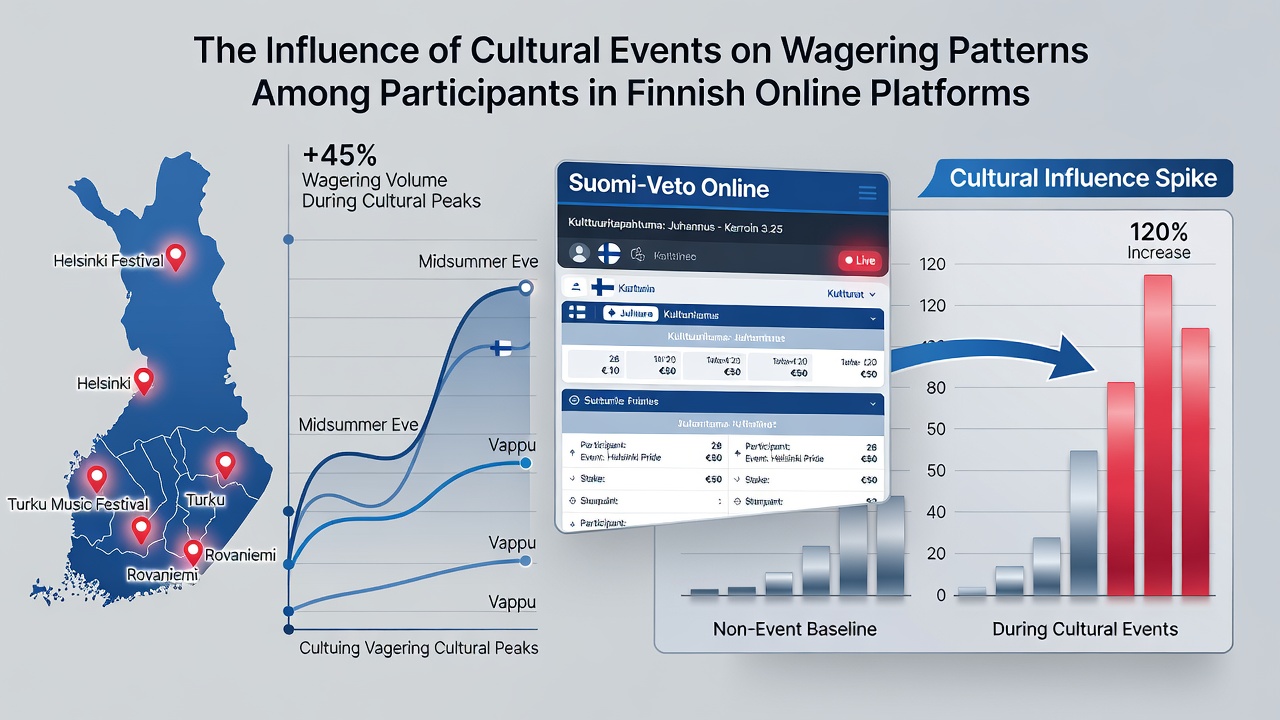
Analytics shared by industry monitoring groups reveal that average session duration extends by measurable margins during event windows, while deposit frequencies follow predictable weekly rhythms aligned with pay cycles and public holidays. One analysis covering northern European markets, including Finland, found that platforms registered elevated new account creations in the weeks preceding major festivals, suggesting participants prepare in advance for increased leisure time.
Regulatory reports submitted to the Finnish gambling oversight body document these trends without attributing causation beyond observed correlations, and they note that responsible gaming tools see higher activation rates during the same periods. Academic papers published through 2025 further separate cultural-event effects from marketing campaigns by comparing years when certain festivals overlapped with major international tournaments.
Regional Comparisons and Broader Context
Comparisons with neighboring Nordic markets show similar event-linked patterns, although Finnish platforms exhibit stronger responses to ice hockey than to football because of domestic league prominence. A study released by an Australian research center on cultural influences in gambling examined parallel dynamics in other jurisdictions and found that localized sports events produce more immediate spikes than imported entertainment calendars.
As of September 2026, preliminary platform statistics already indicate preparation phases ahead of upcoming winter events, with marketing calendars adjusted to coincide with national holidays rather than generic promotions. These adjustments reflect accumulated evidence that cultural timing influences both the type of games selected and the duration of engagement sessions.
Conclusion
Evidence from regulatory filings, academic reviews, and platform metrics demonstrates that cultural events shape wagering patterns on Finnish online platforms through predictable alignments with national traditions and sports calendars. These shifts appear in session lengths, game preferences, and timing of activity, yet remain within documented ranges tracked by oversight bodies. Continued monitoring through 2026 and beyond will clarify whether these associations strengthen or evolve as platform features and participant habits continue to develop.