Sustainability Practices Adopted by Digital Casino Operators Serving Nordic Customers
Iris Neumann · Oct 10, 2026
Sustainability Practices Adopted by Digital Casino Operators Serving Nordic Customers
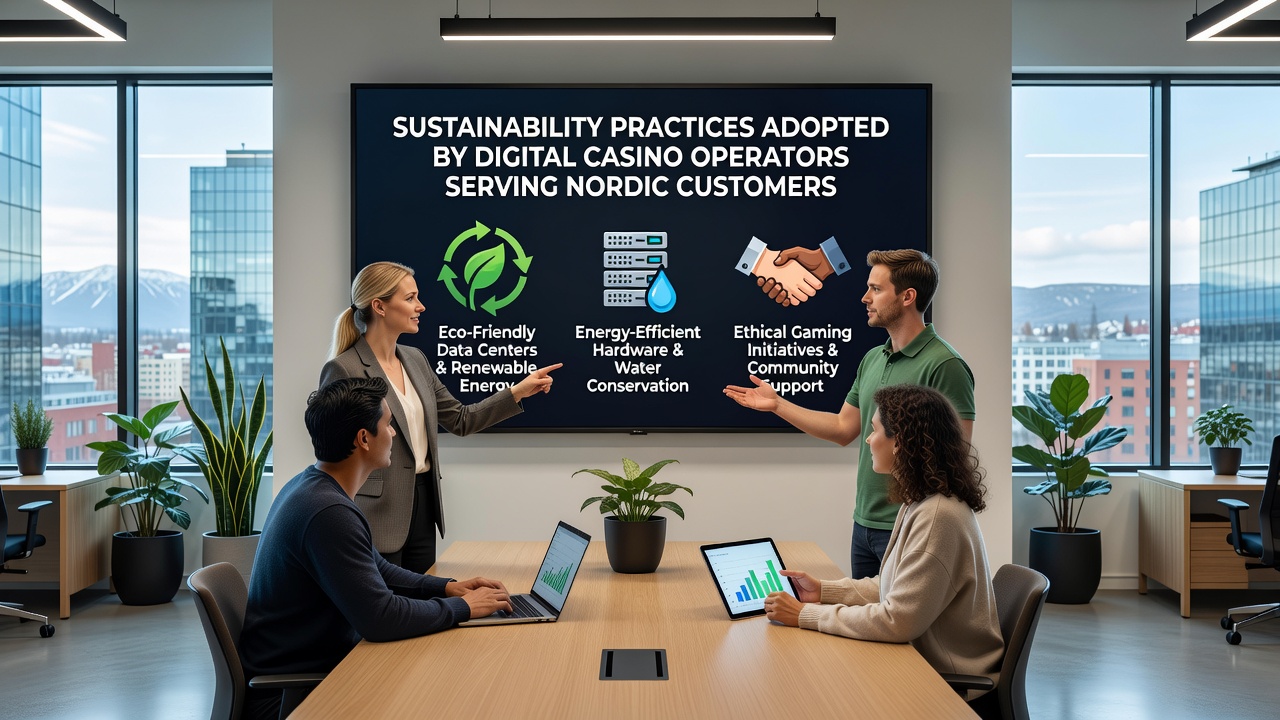
Digital casino operators serving Nordic customers have expanded their focus on sustainability across environmental, social and operational dimensions, and data centers located in the region benefit from naturally cool climates that reduce cooling energy demands while operators integrate renewable energy sources into their infrastructure. Operators in Finland, Sweden and Denmark report measurable reductions in electricity consumption through optimized server management and partnerships with local hydroelectric and wind providers, and these efforts align with broader EU targets for carbon neutrality by 2050.
Environmental Measures in Data Center Operations
Facilities supporting Nordic-facing platforms frequently utilize free-air cooling systems that leverage sub-zero winter temperatures, which cuts mechanical cooling needs by up to forty percent compared with facilities in warmer regions, and several operators have documented annual energy savings equivalent to thousands of households through such adaptations. Waste heat recovery programs channel excess server warmth into district heating networks in cities like Stockholm and Helsinki, thereby converting what would otherwise be lost energy into residential and commercial heating during winter months. In October 2026, updated EU reporting requirements on digital sector emissions prompted additional operators to publish detailed carbon accounting for their Nordic customer bases, and these disclosures highlight continued shifts toward verified renewable energy certificates.
Social Sustainability and Player Protection Tools
Responsible gambling features form a core component of social sustainability for operators targeting Nordic markets, and platforms incorporate mandatory deposit limits, session reminders and self-exclusion mechanisms that comply with national licensing frameworks in Sweden and Finland. Research from the Nordic Council indicates that integrated behavioral analytics help identify at-risk patterns earlier, which allows operators to intervene with personalized support resources while maintaining user privacy standards. Training programs for customer support teams emphasize recognition of gambling-related distress, and collaboration with local health organizations provides referral pathways for players seeking external assistance.
Supply Chain and Procurement Standards
Operators increasingly require suppliers of software, hardware and cloud services to meet documented environmental criteria, and procurement policies favor vendors that demonstrate third-party verified reductions in packaging waste and electronic equipment lifecycle impacts. One major platform serving Danish customers switched to modular server components designed for extended repair cycles rather than full replacement, which reduced hardware turnover rates and lowered associated transport emissions from international shipping routes. Such changes also support circular economy principles by extending equipment usability within the same facilities.
Regulatory Context and Industry Reporting
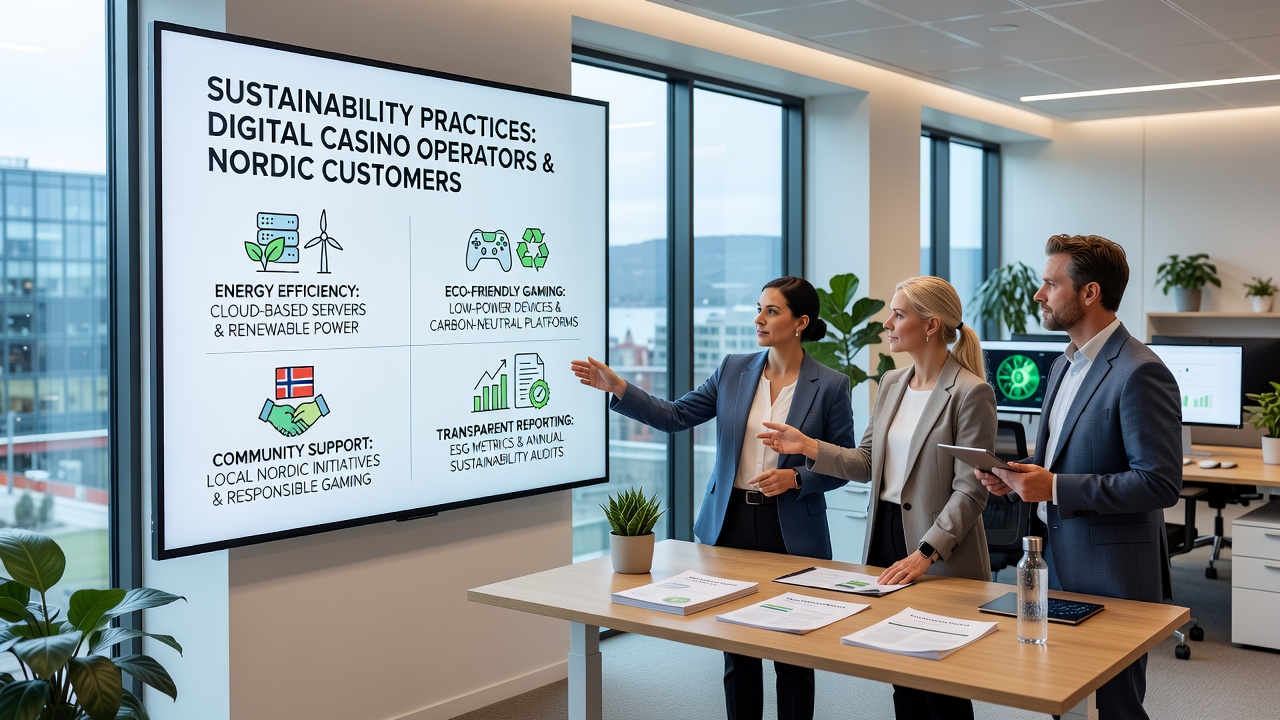
Nordic licensing authorities require operators to submit annual sustainability reports that detail energy consumption, water usage in cooling systems and community investment figures, and these submissions undergo review alongside financial and player protection audits. According to the European Environment Agency, data centers across the EU accounted for approximately 2.7 percent of electricity demand in recent assessments, which has driven operators to accelerate efficiency upgrades to stay ahead of potential future levies. Industry associations such as the European Gaming and Betting Association compile aggregated benchmarks that allow individual companies to compare their performance against regional peers without disclosing proprietary operational details.
Case Examples from Nordic Markets
Operators in Norway have piloted blockchain-based tracking for renewable energy certificates to provide transparent proof of green power sourcing to regulators and customers, and similar initiatives appear in Icelandic facilities that draw directly from geothermal sources. Finnish platforms report partnerships with local universities to study AI-driven load balancing that further trims peak energy draws during high-traffic periods, and early results suggest additional efficiency gains of five to eight percent. These projects illustrate how operators adapt global sustainability frameworks to the specific geographic and regulatory conditions of the Nordic region.
Conclusion
Collectively, sustainability initiatives among digital casino operators serving Nordic customers span energy-efficient infrastructure, social responsibility mechanisms and responsible procurement, and ongoing regulatory developments continue to shape reporting expectations. Observers note that measurable outcomes from these practices provide data points for further refinement across the sector, while geographic advantages of the region support continued progress toward lower-impact operations.