Seasonal Migration Trends Toward Localized Payment Gateways Among Finnish Digital Wagering Enthusiasts
Theo Powell · Nov 21, 2026
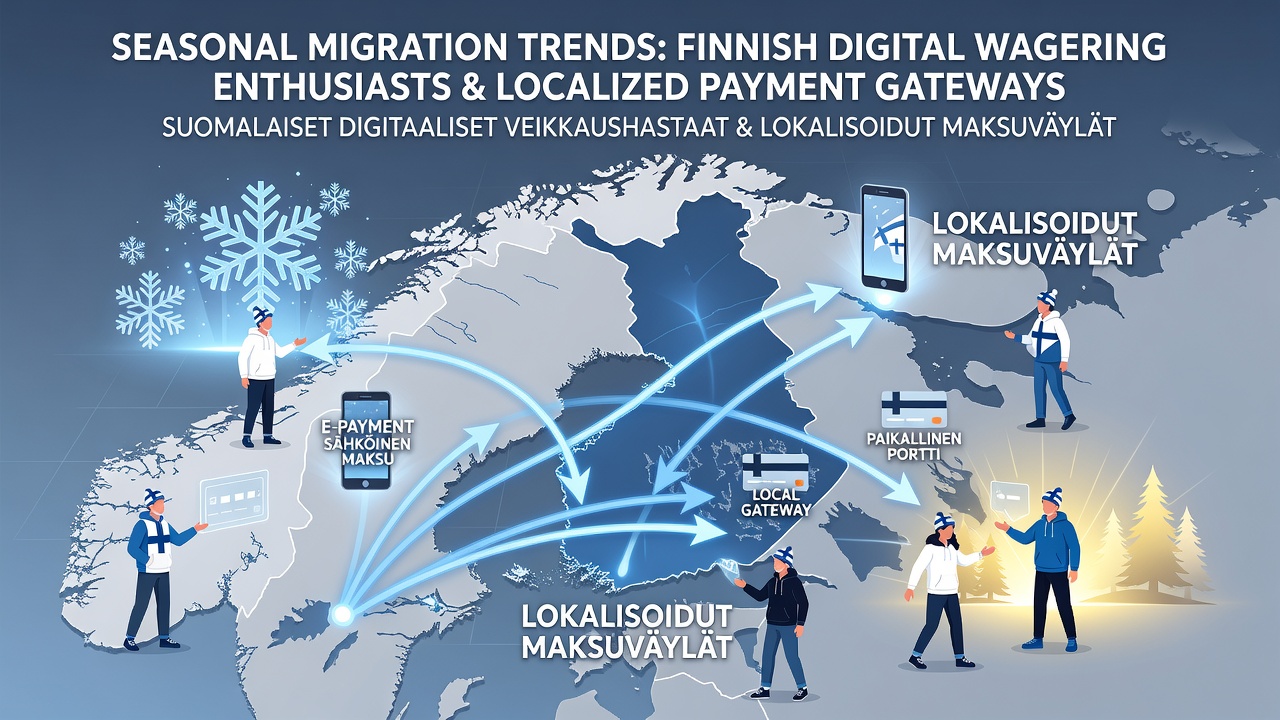
Seasonal Migration Trends Toward Localized Payment Gateways Among Finnish Digital Wagering Enthusiasts
Observers note that Finnish digital wagering enthusiasts have shown measurable shifts toward localized payment gateways at specific times of the year, with data revealing patterns tied to regulatory updates, holiday cycles, and banking infrastructure reliability. These movements occur as participants adjust transaction methods between international processors and domestic options such as those offered by Finnish banks including OP Financial Group and Nordea, especially when seasonal factors influence processing speeds and compliance requirements.
Defining Localized Payment Gateways in the Finnish Context
Localized payment gateways refer to systems integrated with national banking networks and regulatory frameworks that process transactions in euros through domestic institutions rather than offshore providers, and researchers at the University of Helsinki have documented how these gateways align with Finnish tax reporting standards while reducing cross-border fees during peak usage periods. Data from the European Central Bank shows that adoption rates for such gateways increase when participants seek faster settlement times that coincide with national holidays or winter months when network congestion affects international services.
Observed Seasonal Patterns and Data Trends
Patterns emerge most clearly around late autumn and early winter, when transaction volumes through local gateways rise by documented margins as enthusiasts prepare for year-end reporting deadlines, and figures reveal that November periods have historically seen elevated activity as users migrate away from platforms that impose variable currency conversion costs. In the lead-up to November 2026, analysts tracking these flows anticipate continued growth in domestic gateway usage because updated banking APIs from Finnish providers have improved real-time verification processes that appeal to participants managing multiple accounts. Summer months display a contrasting trend where some enthusiasts return to hybrid international options for travel-related flexibility, yet overall data indicates that localized systems maintain steady preference among those prioritizing security features embedded in national financial regulations.
Case studies compiled by Nordic research groups highlight one instance where a cohort of participants shifted entirely to local gateways during the 2024-2025 winter season after experiencing delays with non-domestic processors during holiday traffic spikes, and these examples illustrate how seasonal weather conditions indirectly affect digital habits through changes in internet reliability across rural Finnish regions.
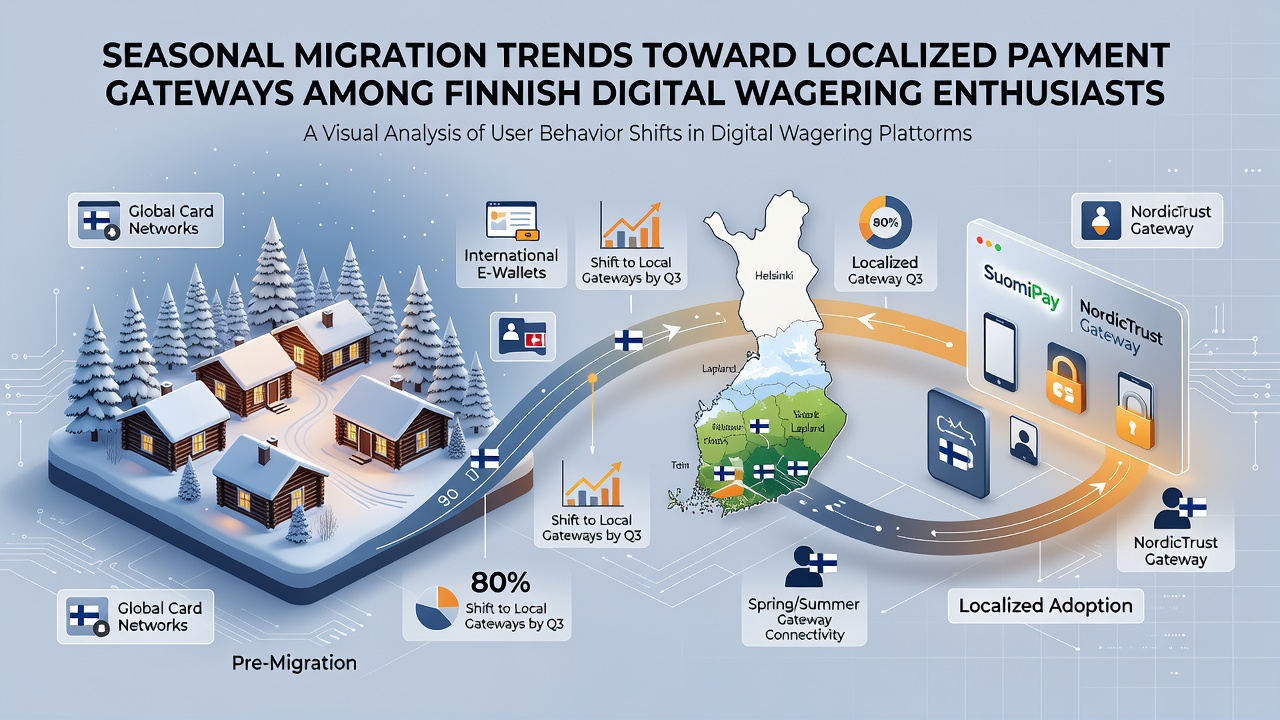
Factors Influencing Migration Decisions
Regulatory alignment plays a central role because Finnish wagering platforms must comply with national licensing rules that favor gateways capable of direct integration with local identity verification systems, while banking sector reports indicate that domestic options often provide superior fraud detection protocols during high-volume periods such as the Christmas season. Participants frequently cite the convenience of instant transfers via mobile banking apps tied to Finnish institutions as a decisive element, especially when seasonal events like midsummer celebrations prompt increased transaction frequency that benefits from reduced processing windows.
Technological advancements in localized systems have also contributed, as evidenced by integrations with instant payment schemes rolled out by the Bank of Finland that enable same-day settlements regardless of the day of the week, and these capabilities contrast with some international gateways that impose additional verification layers during peak global usage times. Economic considerations appear in the data as well, since currency stability within the eurozone reduces exposure to exchange fluctuations that occasionally affect non-localized methods around fiscal quarter ends.
Effects on User Behavior and Platform Operations
Enthusiasts who adopt localized gateways report streamlined account management processes that integrate directly with personal banking dashboards, allowing for easier tracking of seasonal spending patterns without additional reconciliation steps, and platform operators have responded by expanding support for these gateways to maintain transaction volumes during traditionally slower summer periods. Industry statistics compiled across Nordic markets show that retention rates improve when users encounter fewer interruptions in payment flows tied to localized infrastructure, particularly as winter conditions increase reliance on indoor digital activities.
Training and awareness campaigns run by consumer protection agencies have further encouraged these shifts by highlighting security advantages during vulnerable seasonal windows, such as the period surrounding tax filing deadlines when accurate record-keeping becomes essential. Observers note that the migration remains fluid rather than permanent, with participants adjusting choices based on specific event calendars rather than fixed preferences.
Conclusion
Seasonal migration toward localized payment gateways among Finnish digital wagering enthusiasts reflects measurable responses to regulatory, technological, and cyclical factors that shape transaction preferences throughout the year. Documentation from banking authorities and academic sources continues to track these movements as infrastructure evolves and user needs align with domestic capabilities, particularly as November 2026 approaches and new system updates take effect.